
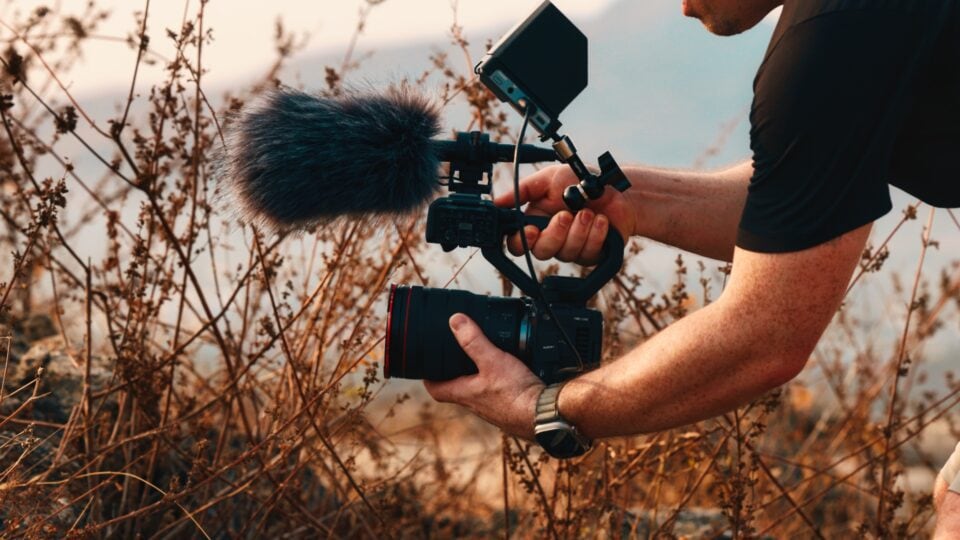
This is not just another lab review of the Canon EOS C50. I bought the camera myself, took it on real trips through Thailand, filmed family, wildlife, boats, caves, low-light scenes, and normal travel moments, and tried to find out if a small cinema camera actually makes sense for the way I shoot.
Before buying it, I was worried. I usually make travel-related content and this is my first cinema camera. No IBIS, a top handle, a cinema menu system, bigger lenses, proper audio… on paper that can sound like a camera that gets in the way.
After using it properly, my opinion changed quite a lot. The Canon EOS C50* * might be one of the favorite cameras I have ever used.
Why I bought the Canon EOS C50
I originally thought I would wait for something like an R8 Mark II with C-Log2 and no IBIS issues. But when I started seeing footage from the C50, the mid tones and shadows looked better than what I was used to from hybrid cameras. There was more contrast, more depth, and less of that slightly flat hybrid-camera look that can cost a lot of time in color grading.
So I decided to stop trying to make a hybrid camera feel like a cinema camera and bought the actual cinema camera instead.
My Canon C50 travel setup
I wanted to use the C50 like a documentary-style travel camera. Not a huge rig, but not a tiny vlogging setup either. I used the top handle, a proper microphone, stabilized RF zoom lenses, and a simple run-and-gun setup that would not slow down my family too much.
- Camera: Canon EOS C50
- Main lenses: RF 15-35mm F2.8L IS*, RF 70-200mm F2.8L IS*, RF 100-500mm*
- Recording: XF-HEVC, 4:2:2 10-bit, DCI 4K, 23.98p
- Stabilization: digital IS on, without motion vector for a less locked-in look
- Audio: a compact shotgun microphone on the top handle
The stabilized RF lenses matter because the C50 sensor itself is not stabilized. With the right lenses and digital stabilization, handheld footage was much more usable than I expected.
The image quality is the main reason to buy it
The first thing that stood out to me was the dynamic range. Bright backgrounds, strong sun, caves, family travel moments, wildlife in mixed light – the C50 files held together very well.
C-Log2 gives the camera a lot of highlight headroom. On one fishing trip, I only had a 3 to 7 stop variable ND filter with me and sometimes the image looked too bright at F2.8. Later on the computer, the footage was still fine. That is exactly the kind of safety margin I want from a travel camera.
The overall look also surprised me. The closest comparison from cameras I have used is probably the Fujifilm X-H2S, which I always loved for video. I would still give Fuji a small edge for color, but the C50 is very close while adding the full-frame RF lens look, Canon autofocus, and a cinema workflow.
Stabilization: better than I expected, but not magic
The biggest fear for many people is the missing IBIS. I had the same concern. For wide and normal shots, it was less of a problem than expected. The top handle actually made the camera easier to carry and easier to get low-angle shots with, especially when filming quickly.
On boats, hikes, and normal handheld travel scenes, the RF 15-35mm* with digital stabilization worked well. The footage was sometimes a bit rough, but that can actually fit the situation. A steep hike should not look like a perfect gimbal shot.
Long telephoto shots are different. At 500mm, especially in crop mode, I still prefer a tripod. That is not really a C50 problem. Even with IBIS, long wildlife shots are difficult handheld.
The top handle makes more sense than I thought
I expected the top handle to make the camera feel more cumbersome. In practice, it often made the C50 easier to use. Carrying the camera by the handle felt better than using a strap or camera clip in many situations, and the record button on the handle helped avoid wasting card space with shaky setup footage.
There are small design things I would change. The microphone holder screws should be finger-tightened like the other handle screws. Needing a screwdriver just to make the camera fit better in smaller bags is annoying.
The screen is my biggest usability complaint
The C50 screen feels small, especially when you hold the camera from the top handle and naturally look at it from a bit farther away. It works, and I used it most of the time, but it is not ideal for judging exposure and focus outdoors.
A compact bright monitor makes a lot of sense on this camera. Something around 6 inches and bright enough for daylight gives you a much better view, especially if you want to load LUTs and not stare at a flat log image all day.
Low light and second base ISO
The low-light footage impressed me. The second base ISO at 6400 makes a real difference for night and wildlife footage. Compared to cameras with a lower second gain stage, the C50 can keep more fine detail in darker scenes before noise reduction starts making everything soft.
That matters a lot for wildlife, travel, and documentary-style work where you cannot always control the light. Sometimes the moment is there and you either capture it or you don’t.
4K 120p, Super 35 crop and open gate
The 4K 120p looks good, but it is softer than the oversampled modes. If I need the absolute best quality slow motion, I would rather shoot 4K 60p and use the slow motion tools in the edit if needed. But when the shot needs true 120p, the C50 is still very usable.
Super 35 crop mode is better than I expected. On many full-frame hybrid cameras, crop mode feels like a clear quality drop. On the C50, the cropped footage still looks detailed and clean, which is very useful for wildlife and travel when you want a little extra reach.
Open gate is also useful. I do not need it for every project, but having the full sensor height available is great for cropping, vertical delivery, and anamorphic work. I would still like Canon to add more high-resolution 16:9 or 17:9 options in compressed formats, because sometimes you want more resolution without needing the full open-gate frame.
Canon C50 vs R5 Mark II for video
The C50 and R5 Mark II can match surprisingly well. In a controlled comparison, the difference was smaller than I expected on the computer. The R5 Mark II leaned a little more green, while the C50 looked more neutral, but the overall look was close.
The difference is more about workflow and consistency. The C50 feels like a video camera first. The top handle, audio options, cinema menus, C-Log2 workflow, cooling, and crop modes make it easier to treat it like a proper production tool.
Who should buy the Canon EOS C50?
I would not say everyone needs a C50. If you mainly vlog handheld, want the smallest setup possible, or rely heavily on IBIS, a hybrid camera might still make more sense.
But if you shoot travel films, documentaries, YouTube videos, client work, wildlife, or cinematic personal projects and you want a small camera with a serious video image, the C50 is hard to ignore.
- Buy it if: you care about C-Log2, dynamic range, color grading, proper audio, and a cinema-style workflow.
- Be careful if: you need IBIS, a large built-in screen, or the smallest possible vlogging camera.
- My honest opinion: it is not perfect, but it is one of the most enjoyable cameras I have used for real travel filmmaking.
Frequently asked questions
Is the Canon C50 good for travel filmmaking?
Yes, as long as you are comfortable with a slightly more serious setup than a small hybrid camera. It is not the tiniest option, but the flat body, top handle, image quality, and stabilized RF lenses make it very workable for travel.
Is the missing IBIS a dealbreaker?
For me, no. It matters for some telephoto handheld shots, but with stabilized lenses and digital IS, the C50 was much more usable than I expected. If you shoot mostly handheld telephoto without support, you may feel the limitation more.
Is the Canon C50 better than a hybrid camera?
For video workflow, yes. For pure flexibility, maybe not. A hybrid camera is smaller and often easier for casual shooting. The C50 gives you a more serious cinema workflow and a file that feels easier to trust in difficult light.
Would I buy the Canon C50 again?
Yes. I bought it myself and after using it on real trips, I would buy it again. If you are curious, you can check the current Canon EOS C50 price here*.
* = Affiliate Link – I get a small commission if you buy through this link but you don’t pay anything extra.
Leave a comment